Phonics Books for 5-Year-Olds: Decodable vs. Leveled Readers Explained
Decodable and levelled readers sit side by side on the shelf and teach opposite habits. One builds sounding out; the other quietly rewards guessing from the pictures.
- At five, phonics books should push blending, introduce digraphs like sh/ch/th, and control the text so decoding — not picture-guessing — is the only way through.
- Kindergarten phonics gets roughly double the benefit of starting later, per a National Reading Panel meta-analysis of 38 studies.
- Decodable books should be the bulk of independent practice — picture-heavy leveled readers teach picture-checking, not decoding.
- A child who can decode "shop" but stumbles on "cape" isn't behind — they're mid-scope for this stage.
A five-year-old I’ll call Leo once ran up to me holding a battered little book, eyes wide. “Mrs. Monika,” he said, “I didn’t guess — I sounded it out!” That’s the exact moment a phonics book earns its keep — not a memorized page, but a word cracked on their own. At five, most kids are past single letter sounds and moving into blending, digraphs, and their first real decodable books. That raises a sharper question than “should we start”: which books actually build that skill, and which ones just look like progress? This guide walks through what matters at five, as one stage in our complete phonics-first guide.
The short answer
At five, phonics books should be doing three specific jobs. They should give your child practice blending three and four sounds smoothly. They should introduce consonant digraphs — two letters, one sound, as in “sh,” “ch,” “th.” And they should control the text tightly enough that decoding, not picture-guessing, is the only way through the page. This is the practical core of what’s sometimes called the Science of ReadingA body of decades of interdisciplinary research — cognitive psychology, linguistics, neuroscience — converging on how children actually learn to read: through systematic decoding practice, not memorization or picture-cued guessing. movement — books built around sounds a child has actually been taught, not around a “level” or a repeated sentence pattern. A five-year-old who can decode “shop” but stumbles on “cape” isn’t behind. They’re exactly mid-scope, and the right book meets them there. Our actual shelf pick is below, before the research on why it’s shaped this way.
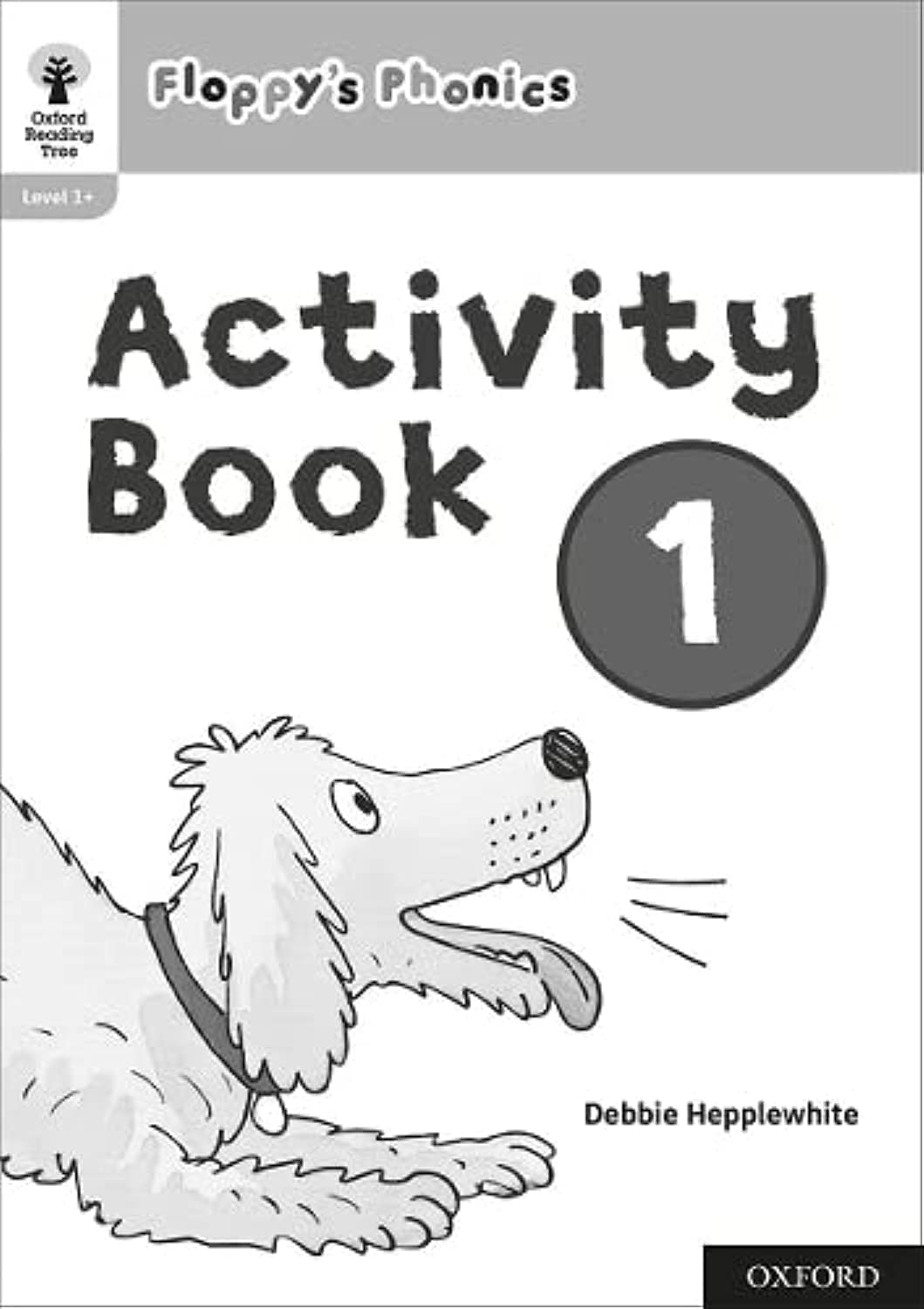
Short, sound-controlled text with no picture-guessing. Start here before digraphs.
View in shop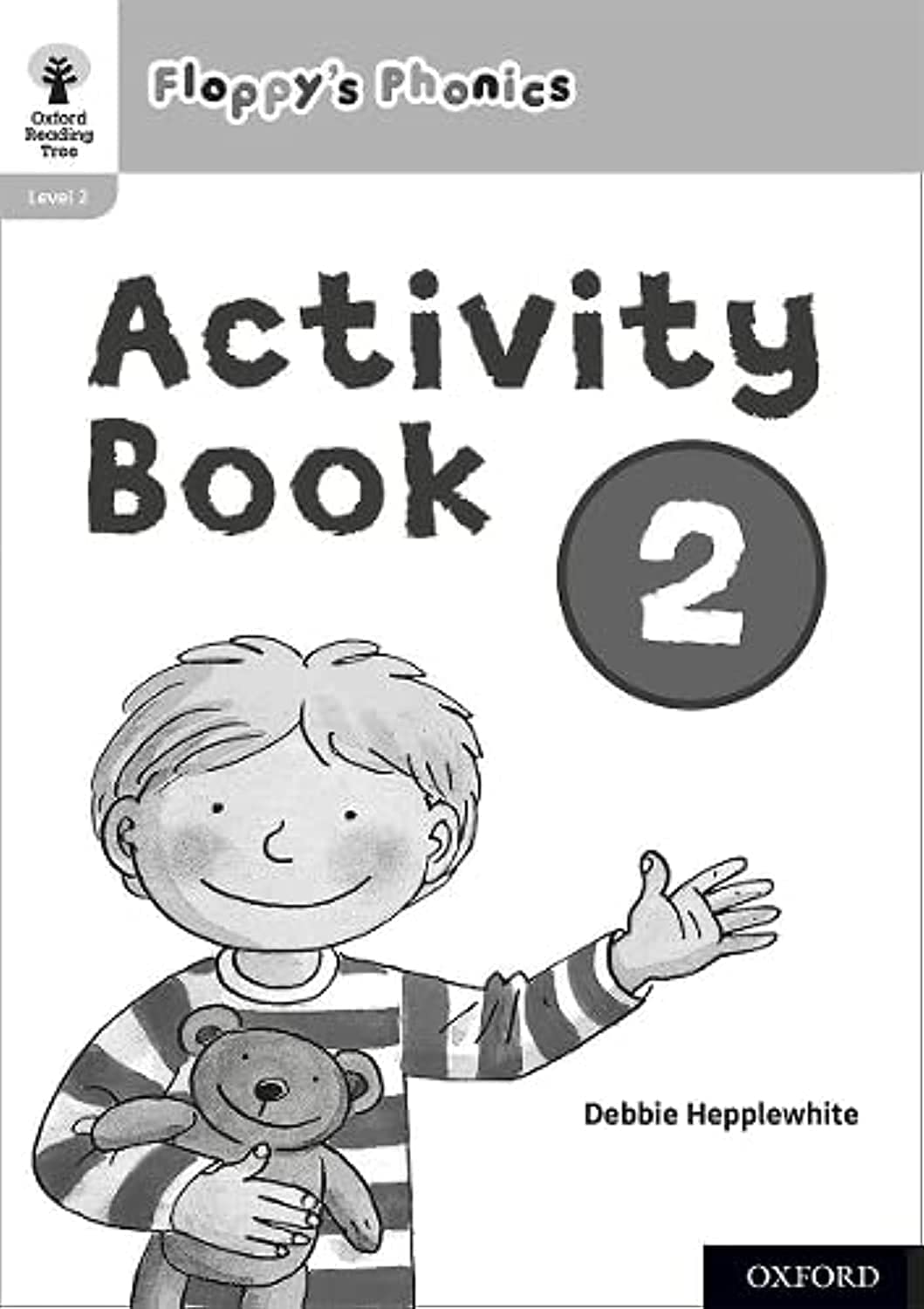
First digraphs inside genuinely decodable sentences, once Book 1 is solid.
View in shop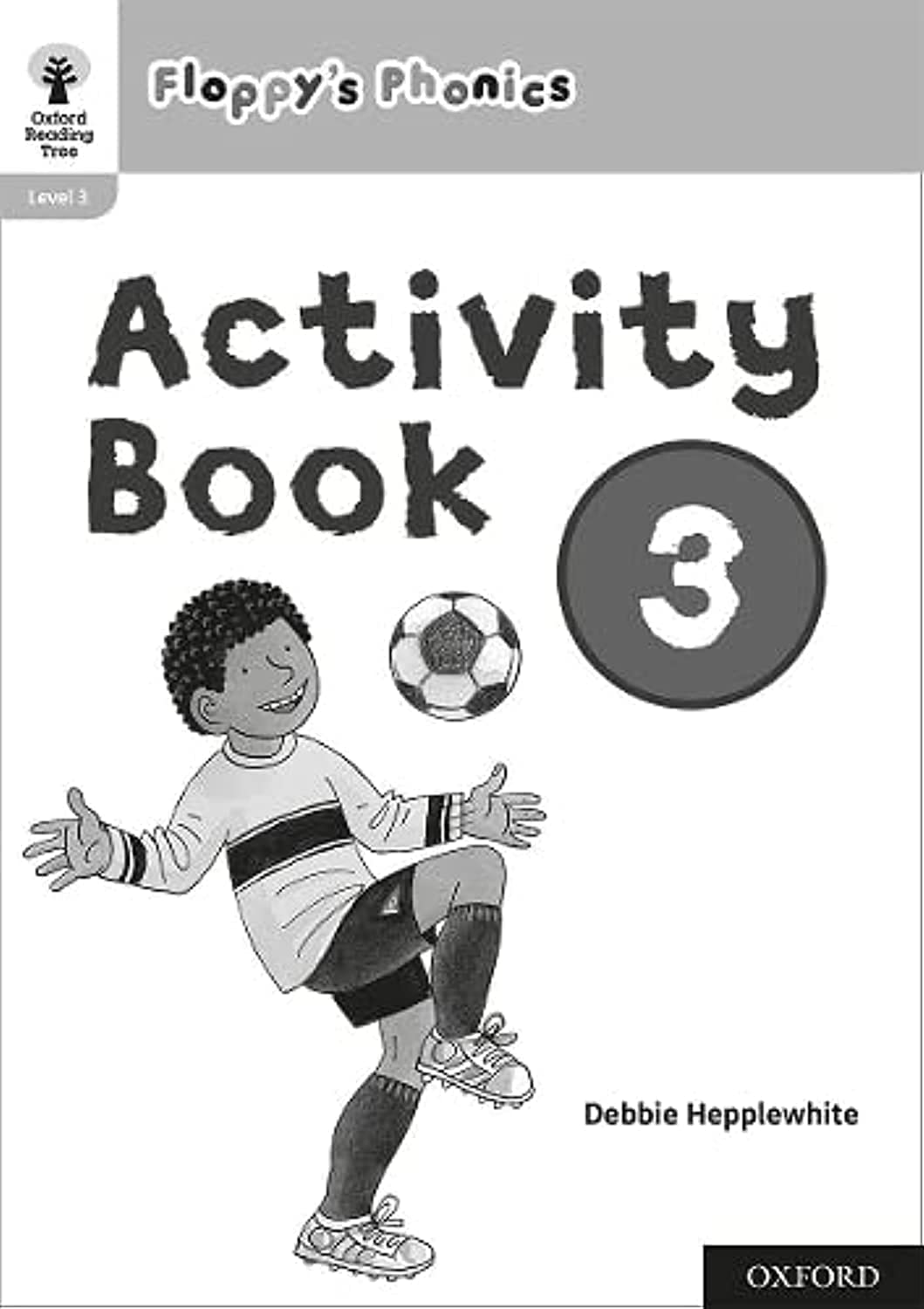
Consolidates digraphs and starts split digraphs — the bridge into age six.
View in shop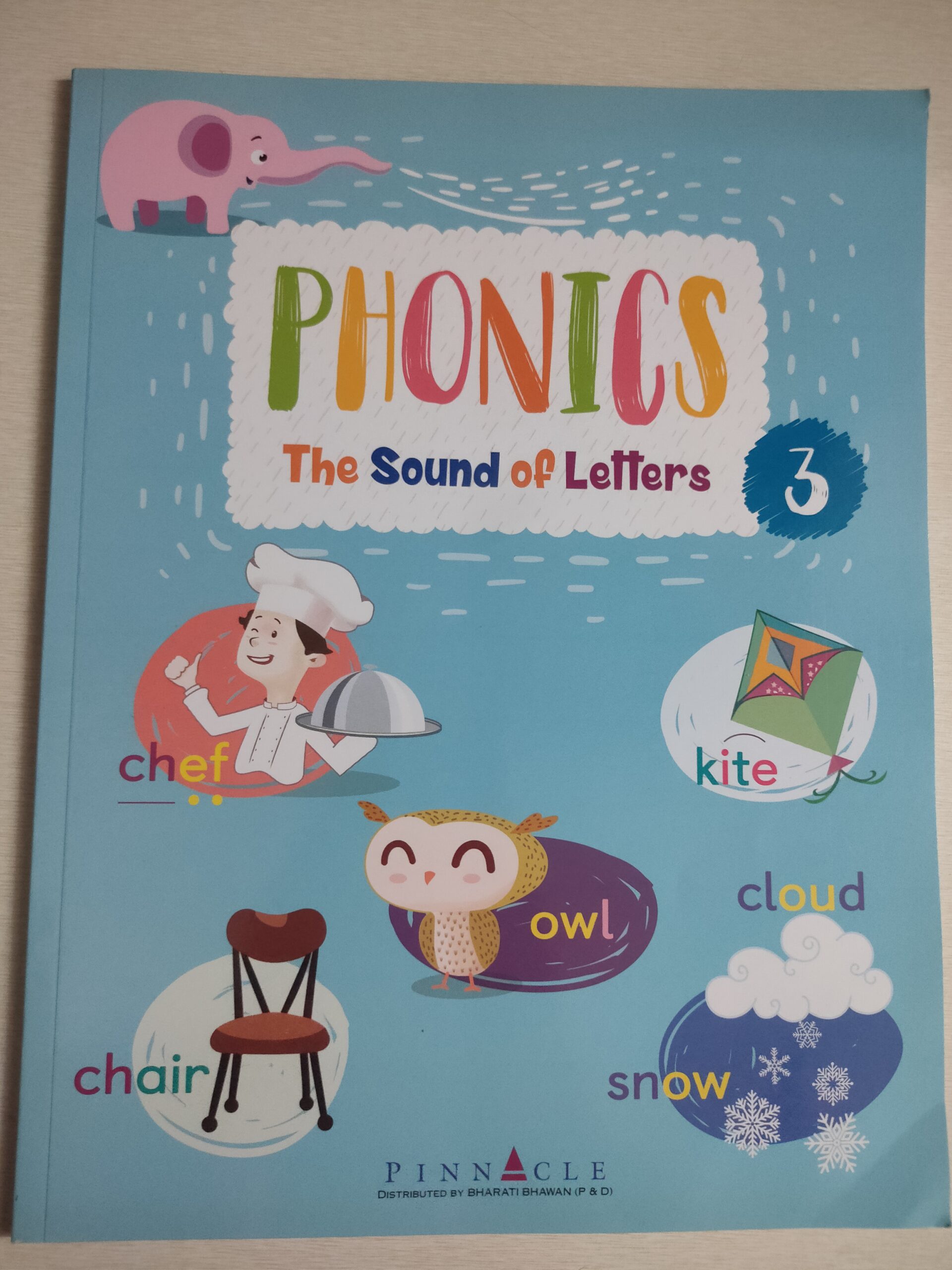
Last single sounds, then sh/ch/th/ng, into real CVC decoding.
View in shop
A budget India-published option covering the same first-digraphs ground.
View in shop Amazon.in
Decodable readers on the 42 Jolly Phonics sounds, for first real stories.
View on Amazon.inIs five the right age for this, or should we already be further along?
Conventional wisdom used to treat kindergarten as too early for real phonics instruction. The National Reading Panel’s 2000 meta-analysis of 38 experiments found the opposite: systematic phonics instruction that begins in kindergarten produces a substantially larger reading benefit than the same instruction started after first grade. The panel’s own language is blunt about it — the assumption that kindergartners “aren’t ready” simply wasn’t supported by the data they reviewed.
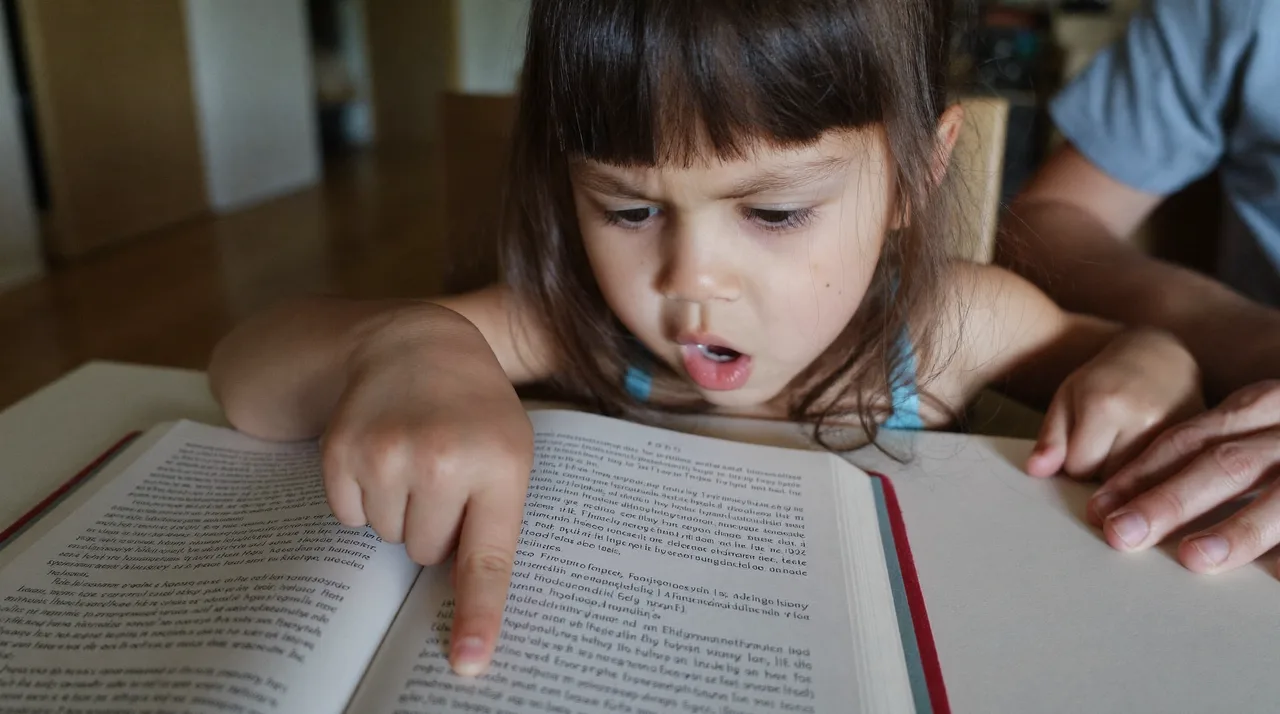
That doesn’t mean every five-year-old is at the same point — some arrive already blending CVC words confidently from a strong four-year-old foundation (see our guide to phonics at four); others are still solidifying single sounds. Both are within normal range. What changes at five isn’t a deadline, it’s the shape of the material: books can now ask more of a child than a single sound at a time.
What a 5-year-old’s phonics books should actually cover
“Kindergarten phonics” isn’t one skill, it’s a small stack of them, building on each other in a fairly predictable order. These are the five things genuinely worth looking for on the shelf.
Moving from choppy /c/-/a/-/t/ toward a connected “cat,” and handling four-sound words like “frog” or “nest” without losing the first sound by the end — see our full blending routine if this is still shaky.
Two letters making one new sound — sh, ch, th, ng — a genuinely new rule, not just more letters to learn.
The silent “e” that reaches back and changes the middle vowel — “cap” becomes “cape,” “kit” becomes “kite.”
A handful of very common words with one irregular part — “said,” “the,” “was” — learned by heart because they can’t be fully sounded out, not because sight-word memorizing is the default method.
Real decoding practice inside a sentence, where a child has to keep tracking meaning while sounding out — the actual skill “reading” describes.
What readiness looks like day to day
None of this arrives evenly. A child might blend “shop” perfectly on Monday and stall on the exact same word Thursday — that’s not regression, it’s a skill still becoming automatic rather than a skill that’s broken. Parents worry most when progress looks jagged instead of a straight climb; jagged is what real skill-building looks like at this age.
A fifteen-minute at-home routine
Five-year-olds can sit for a little longer than four-year-olds, but not much — fifteen focused minutes still beats thirty distracted ones.
Say three or four sounds slowly and have your child blend them aloud before any book opens — “/f/ /r/ /o/ /g/… frog?”
Your child reads, you resist jumping in — let them sound it out, even slowly, before offering help.
Introduce or review a single new piece — a digraph card, or one heart word written large and traced.
Reread a page they’ve already mastered, so the session closes on fluent, confident reading, not struggle.
Practise the trickier sounds
By five, single letter sounds are usually settling in, and digraphs are the newer, harder layer — two letters that stop behaving like two separate sounds and start acting as one unit. These three show up constantly in early decodable text.

Saying digraphs as one sound from the very first introduction — never “s…h,” always the blended “sh.” Pointing out digraphs inside real words your child already reads, not just on isolated cards. Letting a wrong guess stand for a second before correcting, so your child has a chance to self-correct.
Introducing more than one new digraph in a single sitting — one at a time, practised until it’s easy, beats three half-learned. Correcting every hesitation instantly — a pause is often a child working, not a child stuck. Skipping straight to full sentences before single digraph words (“ship,” “chip”) are solid.
For a five-year-old: decodable books or “leveled” readers?
This is where most of the confusion at five actually lives. Our full decodable-versus-leveled guide has the complete breakdown; here is what it means specifically at this age. I once had a student — call her Sara — who “read” whole early-reader books fluently in class, until I covered the pictures on a page she’d just finished. She stopped cold on the word “cat.” She hadn’t been reading the text; she’d been reading the pictures and reciting a pattern.
Sara wasn’t being lazy or careless — the book she was using rewarded exactly what she was doing. A repeated sentence frame plus a picture that gives away the last word teaches a child that checking the picture works. It does, right up until the pictures stop matching the difficulty of the text.
Monika Verma — Lead Trainer, LittleLearns
A 2012 research review by Cheatham and Allor, synthesising the available studies on text decodability, found that reading tightly controlled decodable text consistently increases how often early readers actually use letter-sound decoding as their strategy, with clear accuracy gains. A separate study by Compton, Appleton, and Hosp (2004) found something more nuanced with second-graders: the percentage of high-frequency words in a passage was what predicted reading accuracy, while decodability contributed to reading fluency alongside high-frequency words, not accuracy alone. Neither text type is useless — they train different things, and a five-year-old still building the decoding habit needs accuracy from taught sounds more than raw reading speed.
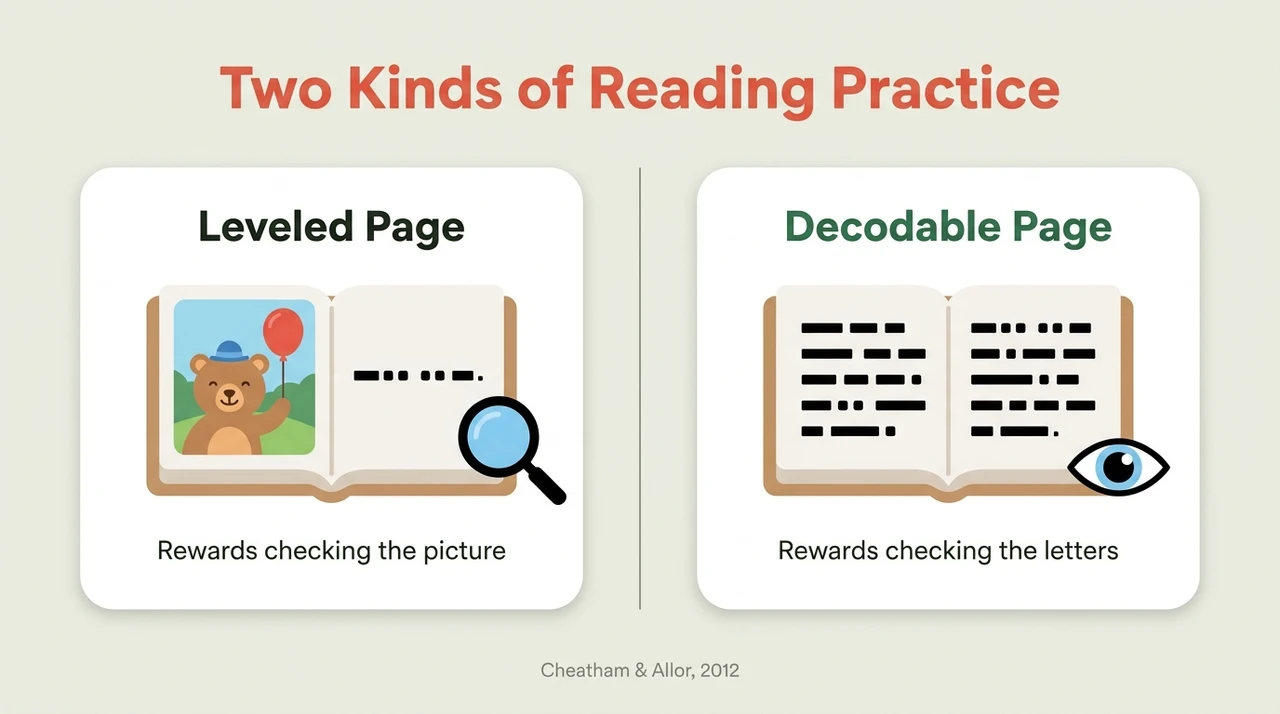
| A typical leveled-reader page | A typical decodable page |
|---|---|
| “I like the pizza” printed under a large photo of a pizza slice | “Pat sat. The cat naps. Pat pats the cat.” — no word outside the taught sounds |
| Rewards checking the picture to guess the last word | Rewards checking the letters, because the picture can’t give the word away |
| Can look fluent early, from a repeated, predictable sentence frame | Looks slower at first, but builds the actual letter-checking habit research links to real decoding |
The practical rule for five: decodable books — where every word uses only sounds your child has actually been taught — should make up the bulk of independent reading practice at this stage. Predictable, patterned books still have a place for shared reading and enjoyment, just not as the material your child is expected to sound out alone. For the full breakdown of what makes a book genuinely decodable and how to test any book on your shelf in thirty seconds, see our decodable books explainer.
Milestones from the curriculum
Sound out and blend unfamiliar phonically regular words without excessive hesitation (e.g. /sh/-/o/-/p/ → “shop”)
Read words with consonant digraphs like “shop,” “chip,” and “that,” recognising two letters making one sound
Read words with a split digraph, where a final “e” makes the middle vowel say its name (e.g. “cap” vs “cape”)
This is exactly the moment Leo, from the start of this guide, ran up to me with his battered little book — not because the book was special, but because he’d finally hit every one of these three, and the sounding-out had turned into actual reading.
Once digraphs and split digraphs are solid, the next stretch is consonant blends and longer words — the territory a six-to-eight-year-old’s phonics books need to cover, and the next stage in this series.
Covers the last set of letter sounds, then the first consonant digraphs — sh, ch, th, ng — and moves into real CVC and CVCC decoding inside short sentences. Written for exactly this KG stage, right after Books 1 and 2.
View in shopWrite sh, ch, th on three index cards. Read a page together and have your child point to the card whenever they hear that sound at the start or end of a word. Free, five minutes, works with any book on the shelf.
Tonight’s check
Say four sounds slowly — “/f/ /r/ /o/ /g/” — and ask your child to blend them into a word.
Show “sh,” “ch,” and “th” one at a time and ask for the sound, not the letter names.
Read one page of a book together, then ask what happened — not to test recall, but to check they were reading words, not just naming pictures.
Ask Mrs. Monika: quick answers
- National Institute of Child Health and Human Development (NICHD). Report of the National Reading Panel: Teaching Children to Read (retrieved August 2026)
- Cheatham, J. P., & Allor, J. H. (2012). The Influence of Decodability in Early Reading Text on Reading Achievement: A Review of the Evidence. Reading and Writing (retrieved August 2026)
- Compton, D. L., Appleton, A. C., & Hosp, M. K. (2004). Exploring the Relationship Between Text-Leveling Systems and Reading Accuracy and Fluency in Second-Grade Students. Learning Disabilities Research & Practice (retrieved August 2026)
Every child develops at their own pace — see our learning-outcomes note. Names of children in this article have been changed. Want your child’s phonics stage checked properly, not guessed at? The free 20-minute demo class includes exactly this kind of check.

The ‘I Spy’ Sound Game: Teaching First Sounds at Home (Without Teaching It Wrong)
10 min read
The Importance of Nursery Rhymes: How Rhyme and Rhythm Feed Reading
10 min read
Listening Games for Kids: Building the Skills That Come Before Reading
10 min read
What Are Decodable Books? Why Beginners Need Books Without Tricky Words
9 min readGet one useful tip a week
Written by Monika. No spam, no daily emails — just what's worth your five minutes.