Phonics Books for 4-Year-Olds: What Actually Helps at This Age
Four-year-olds don't need reading books yet — they need sound play. Here's what actually helps at this age, and the six books we'd put on the shelf.
- Four is the right age to start, not the age to master — phonics readiness means sound play and a few letter sounds, not workbook completion.
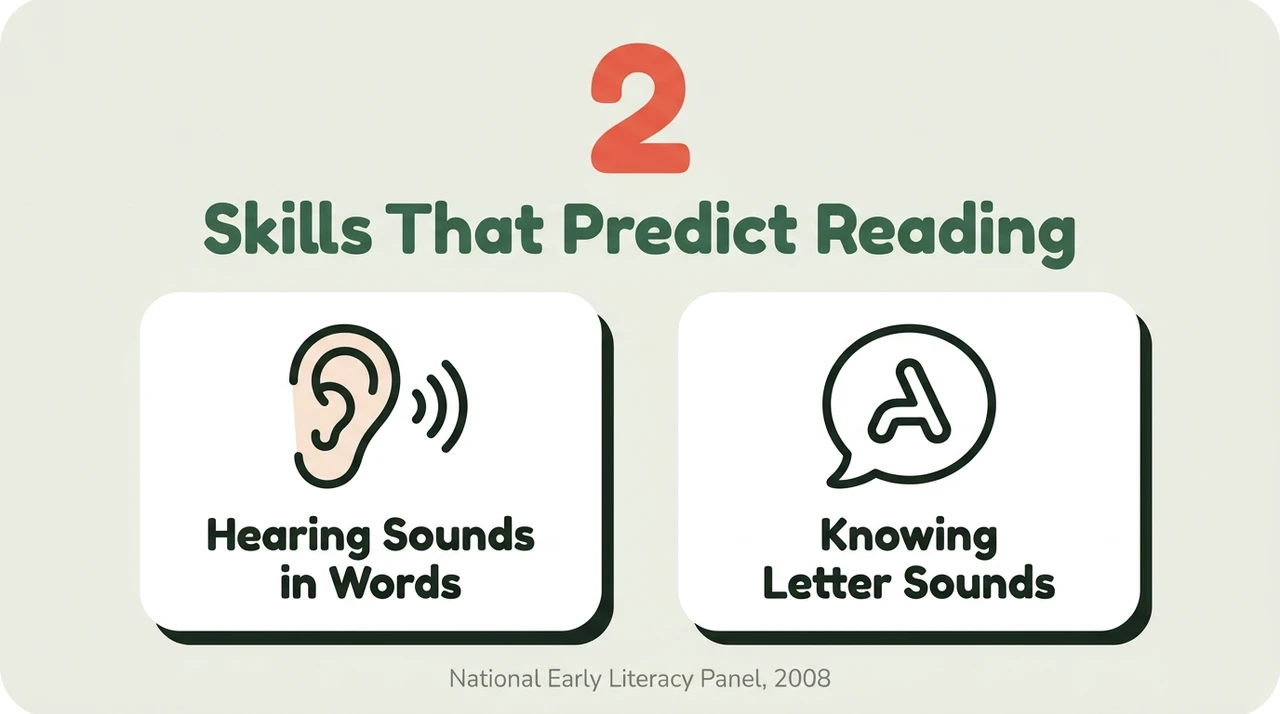
- The two strongest predictors of later reading are hearing sounds in words and knowing letter sounds (National Early Literacy Panel, 2008).
- Letter names and letter sounds are separate skills learned in parallel — knowing "ess" doesn't unlock /s/.
- Ten focused minutes beats a longer session — end on something your child already does well.
Your four-year-old points at a letter on a cereal box and asks “what’s that one?” and suddenly you’re wondering whether you should already be doing phonics — or whether starting now is too early, too late, or exactly on time. There’s a real, evidence-backed answer to that question, and it isn’t “buy the biggest workbook you can find.” This guide walks through what actually matters at four, as one stage in our complete phonics-first guide.
The short answer
Phonics readinessThe point at which a child can hear individual sounds in spoken words and connect at least some of those sounds to printed letters — the two skills research consistently finds matter most before formal reading instruction begins. at four isn’t about knowing the alphabet song or recognising a wall chart. It’s about two narrower, more useful skills: hearing separate sounds inside spoken words, and connecting a few of those sounds to the letters that spell them. Most four-year-olds are building both right now, gradually and unevenly, and that’s exactly on schedule. Four is a genuinely good age to start — not because there’s a ticking clock, but because the raw materials (sound play, curiosity about print, a hunger to “read” like the grown-ups) are already there to work with. Below is our actual shelf pick for this age, then the research behind why it’s shaped the way it is.
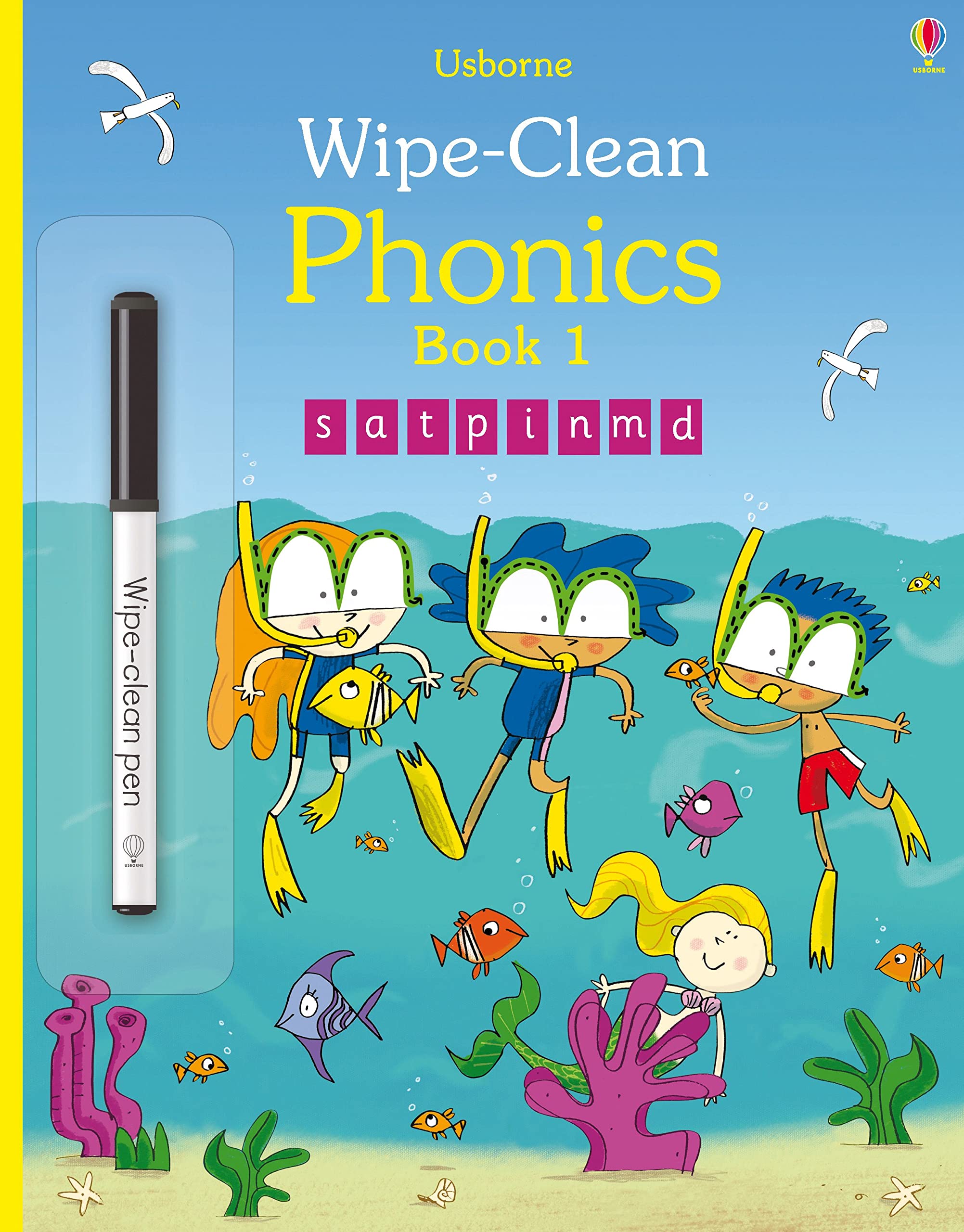
Eight first sounds, traced with a wipe-clean pen while saying each aloud.
View in shop
Gentle sound-and-rhyme play, sized for a ten-minute attention span.
View in shop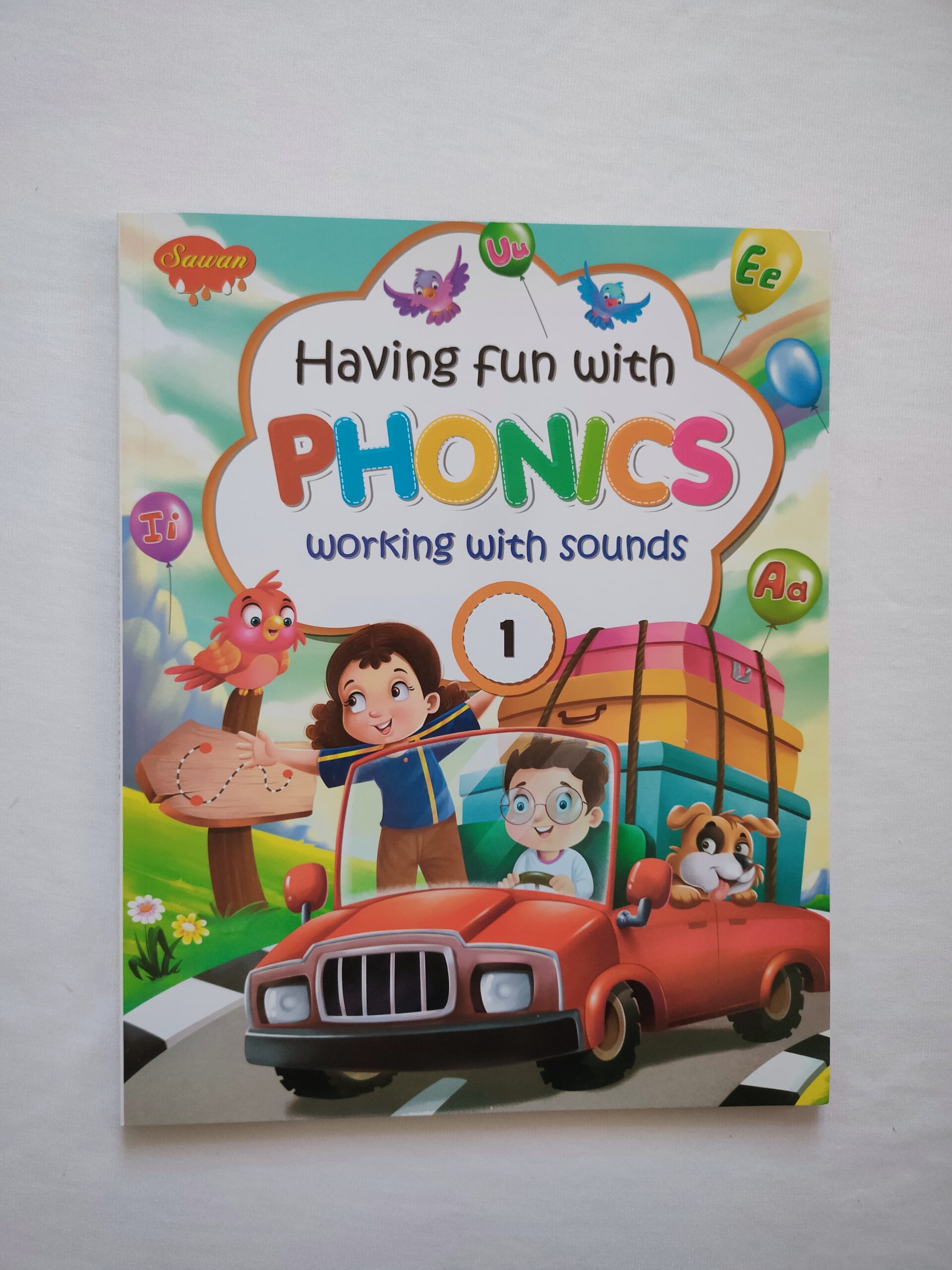
The next step up once Sounds 0 feels easy — first letter sounds.
View in shop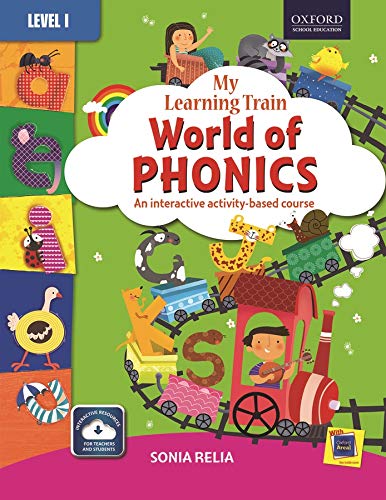
A fuller first-sounds programme: picture-led, sound-first, no letter names pushed early.
View in shop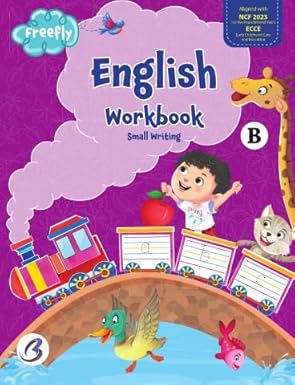
Letter formation and sounds together, age-banded exactly at four.
View in shop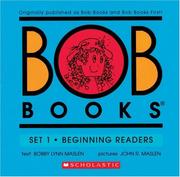 Amazon.in
Their first real decodable story, built on just four sounds.
View on Amazon.inIs four too early, or right on time?
In 2008, the National Early Literacy Panel reviewed decades of longitudinal research and found that two skills predict later reading ability more strongly than almost anything else measured before formal schooling: alphabet knowledge (names and sounds) and phonological awareness (the ability to hear and play with sounds in spoken words). Neither of those requires a desk, a curriculum, or a five-year-old. They develop through exactly the kind of sound play and letter noticing an interested four-year-old is already doing.
Separately, Montessori educators have long observed what they call a sensitive period for language, running roughly from birth to six, with reading specifically clustering between three and five. Trillium Montessori’s 2024 guide to the sensitive periods describes children as having “an innate ability to absorb language effortlessly” — which is the whole rationale behind tools like sandpaper letters: tracing a shape while saying its sound gives a four-year-old’s hands something to do while their ears do the real work.

None of this means four-year-olds should be drilled through a reading scheme. The Education Endowment Foundation’s review of early literacy approaches found an average of four additional months’ progress from good early-literacy teaching — and the approaches that worked best were playful, oral, and short, not workbook-heavy. At four, the goal is exposure and play, not mastery.
What belongs in a 4-year-old’s phonics books
“Phonics” at four looks different from phonics at six. These are the four pieces genuinely worth working on now — not a checklist to rush through, just the honest shape of what’s developmentally live at this stage.
Point to “s” and say /s/, not “ess.” Most 4-year-olds can say the common sound for each consonant with practice, well before they’re ready to blend them into words.
Noticing that “cat,” “bat,” and “hat” sound alike, or supplying a rhyme for a simple word, is ears-only work — no letters required — and it’s one of the strongest early predictors there is.
Splitting a word into its first sound and the rest — /c/ + “at” — is an easier stepping stone to full blending, and most 4-year-olds can manage it before they can blend three separate sounds cleanly.
Knowing that English text runs left to right, top to bottom, and that a book has a correct page order — the quiet, unglamorous scaffolding every later reading skill sits on top of.
What readiness looks like day to day
None of this arrives in a tidy, even order. One week your child might name every letter sound on a cereal box; the next, the same letters seem to have vanished. That’s not backsliding — new skills are genuinely unstable before they’re automatic, and phonics knowledge at four is built from dozens of short, scattered exposures rather than one clean lesson that sticks forever.
I had a four-year-old in class once — I’ll call him Arjun — who could pick out every rhyme in his favourite song but froze solid when I pointed at a printed “m” and asked for its sound. His mother assumed he was behind. He wasn’t: rhyme awareness and letter-sound knowledge are two separate skills that simply develop on their own timelines, and Arjun’s ears were well ahead of his eyes. Two months of five-minute letter games later, the gap had closed on its own — nothing about his rhyming ability needed fixing, because it was never broken.
Parents worry most about the gap between what a book says a four-year-old “should” know and what’s actually sitting in front of them. Most of that gap is normal variation, not a warning sign.
A ten-minute routine that fits a 4-year-old’s attention span
Four-year-olds don’t sit still for a 30-minute phonics block, and they don’t need to. Ten focused, playful minutes beats a longer session nobody enjoys.
A quick ears-only game: “I spy something that starts with /m/.” No letters on the table yet, just listening.
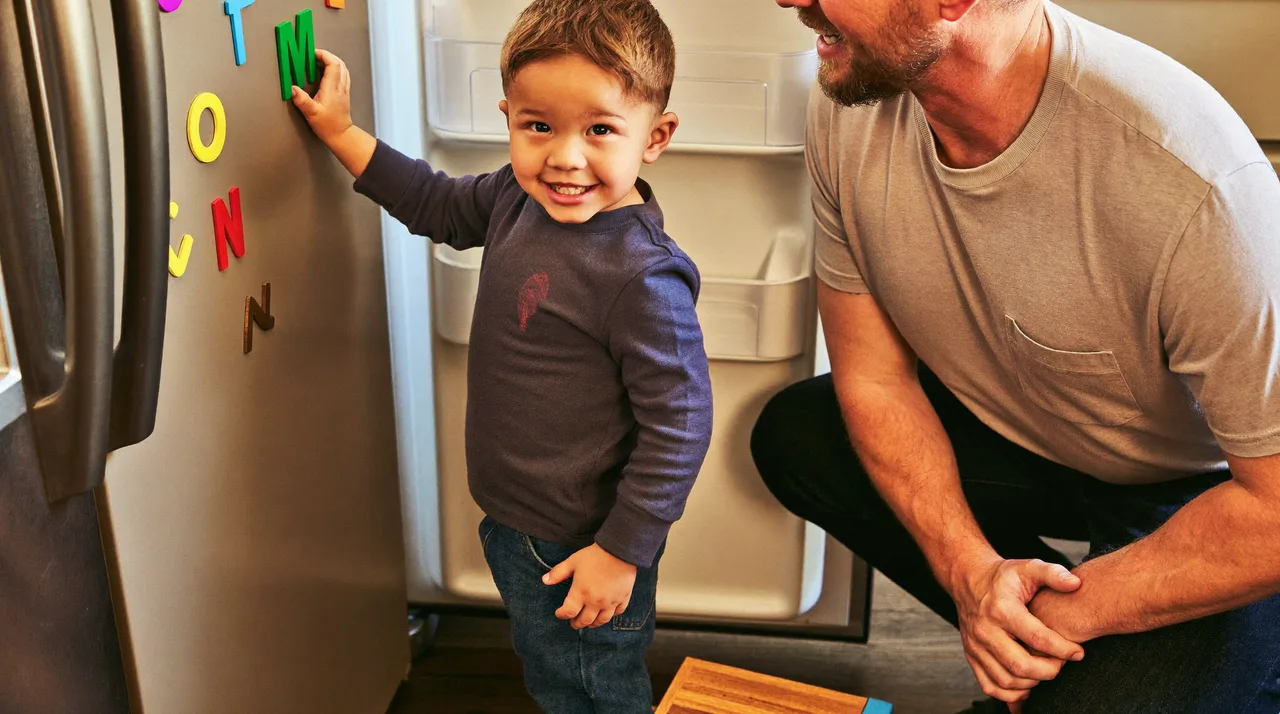
Introduce or review a single sound — say it, trace it in sand, rice, or on the fridge with a magnet letter, say it again.
Read together. When a familiar letter appears, pause and say its sound instead of its name, just once, without quizzing.
Finish with something your child can already do well — a known sound, a favourite rhyme — so the session ends on delight, not struggle.
Practise the individual sounds
Before any blending happens, a four-year-old needs the individual sounds to be automatic — instant, not something they have to think through. Many synthetic phonics programmes introduce a small early set of high-utility sounds first, because they combine into the most real words the fastest. Here are three to start with tonight.
Multisensory practice — tracing a letter in sand, rice, or shaving cream while saying its sound out loud, the way sandpaper letters work in a Montessori classroom. Keeping sessions short and ending before your child gets bored, not after. Saying the sound, not the letter name, every single time you point to a letter together.
Drilling flashcards for speed before the sounds are secure — accuracy first, speed comes later on its own. Waiting for all 26 letter names to be perfect before starting any sounds — the two skills can and should develop side by side. Treating a missed sound as a mistake to correct sharply rather than a normal, expected part of learning it.
Milestones from the curriculum
Say the most common sound for each consonant when shown the letter
Distinguish short vowel sounds in CVC words (e.g. /a/ in ‘cat’ vs /e/ in ‘bed’)
Associate long and short vowel sounds with common single-letter spellings
Arjun, the boy from earlier, hit every one of these within a term of his rhyme-and-letter-sound gap closing — not because anything was “fixed,” but because both skills simply had time to arrive on their own separate schedules.
Once single letter sounds are solid, the next real step is blending them into whole words — a distinct skill with its own routine, covered in how to teach blending sounds. From there, the next stage in this series is our guide to phonics books for 5-year-olds, once blending is genuinely underway.
Introduces the next batch of letter sounds after the first six and gives your child their first taste of blending those sounds into real CVC words like cat, red, and hop. Gentle pace, one sound per session.
View in shopScatter magnetic letters across the fridge. Call out a sound, not a letter name, and have your child find and bring you the matching letter. Free, five minutes, works with letters you already own.
Tonight’s check
Show five familiar letters one at a time and ask for the sound, not the name.
Say a simple word slowly — “sun” — and ask what sound it starts with.
Ask your child to think of a word that rhymes with “cat.”
Ask Mrs. Monika: quick answers
- National Early Literacy Panel (2008). Developing Early Literacy: Report of the National Early Literacy Panel (retrieved August 2026)
- Education Endowment Foundation. Early Literacy Approaches (retrieved August 2026)
- Trillium Montessori. Sensitive Periods in Montessori Education (retrieved August 2026)
Every child develops at their own pace — see our learning-outcomes note. Names of children in this article have been changed. Want your child’s phonics readiness checked properly, not guessed at? The free 20-minute demo class includes exactly this kind of check.

The ‘I Spy’ Sound Game: Teaching First Sounds at Home (Without Teaching It Wrong)
10 min read
The Importance of Nursery Rhymes: How Rhyme and Rhythm Feed Reading
10 min read
Listening Games for Kids: Building the Skills That Come Before Reading
10 min read
What Are Decodable Books? Why Beginners Need Books Without Tricky Words
9 min readGet one useful tip a week
Written by Monika. No spam, no daily emails — just what's worth your five minutes.