Phonics Books for 6-8 Year Olds: Building Fluency, Not Just Decoding
By six, the mechanics are mostly in place. The work now is speed — turning slow, correct decoding into reading fast enough that a child actually enjoys it.
- Between six and eight, phonics books should build automatic recognition of trickier patterns, not just add more decodable words.
- Automaticity — fast, effortless word recognition — frees a child's attention for actual comprehension (LaBerge & Samuels, 1974).
- The "five finger rule" is a useful classroom habit, not a research-backed test — a motivated child will push past a "too-hard" book they love.
- A better readiness check: roughly 90% accuracy on a page, plus being able to retell what happened.
By six, most children have the mechanics of phonics in place — they can sound out an unfamiliar word, given enough time. The real work now is different: turning that slow, effortful decoding into reading that’s fast and automatic enough to actually enjoy. That shift is what separates a six-year-old still building the skill from an eight-year-old who’s largely arrived at it. This guide continues from our guide to phonics at five, as one stage in our complete phonics-first guide.
The short answer
Between six and eight, phonics books should do three jobs, and none of them is simply “more decodable words.” They should build automatic, not sounded-out, recognition of trickier patterns — vowel teams, r-controlled vowels, multisyllable words. They should introduce prefixes and suffixes as a genuine decoding shortcut, not just a spelling rule. And they should push reading rate and expression, not accuracy alone, because automaticityThe point at which word recognition becomes fast and effortless enough that a reader’s attention is free for meaning, not spent on decoding — the mechanism behind the shift from “sounding out” to “reading.” frees attention for actual comprehension. A child who reads “shop” instantly but still works through “shopping” or “unstoppable” isn’t behind — they’re mid-scope for this stage. Our actual shelf pick for this age is below, before the research behind it.
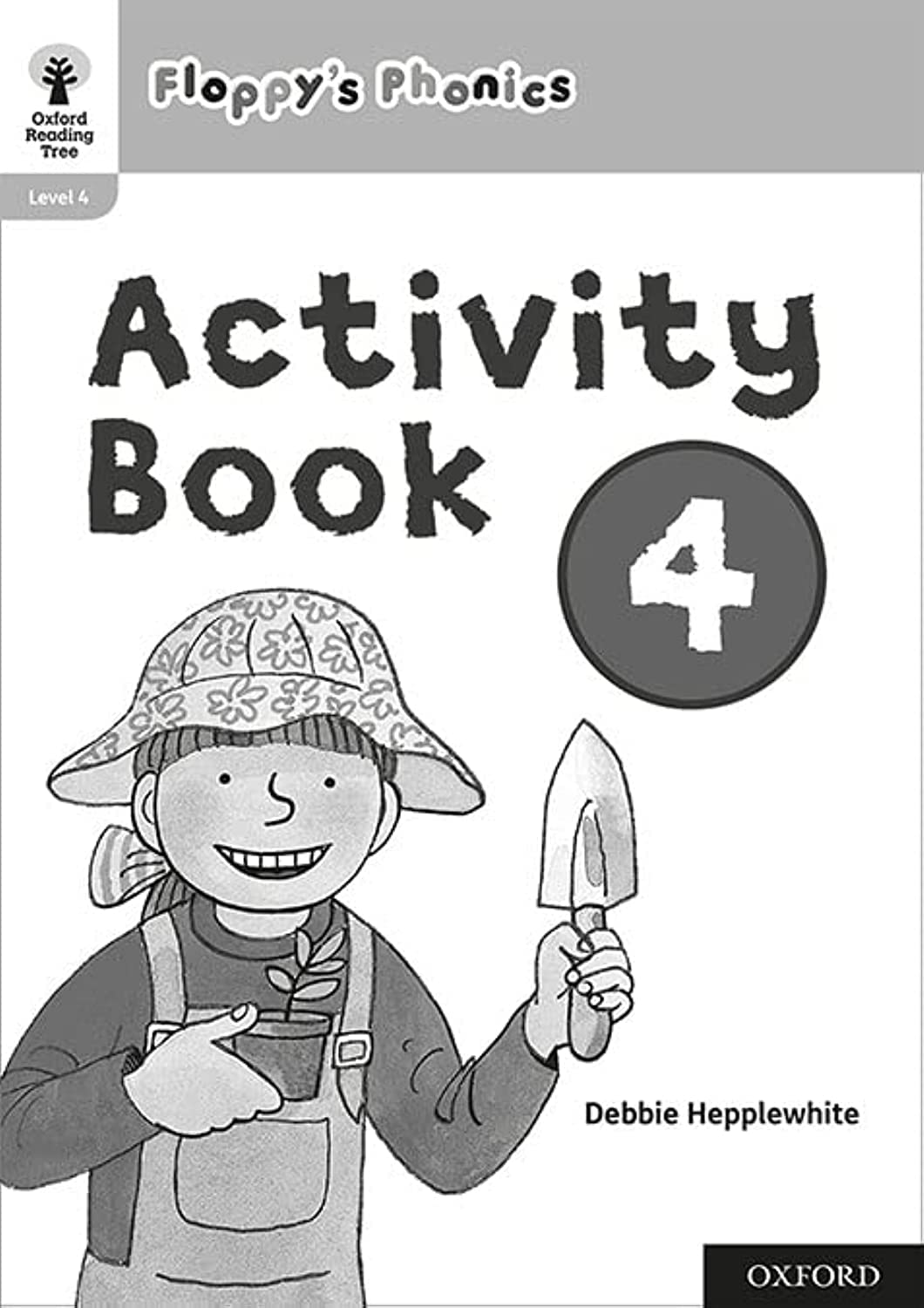
Vowel teams and longer words, once split digraphs are solid.
View in shop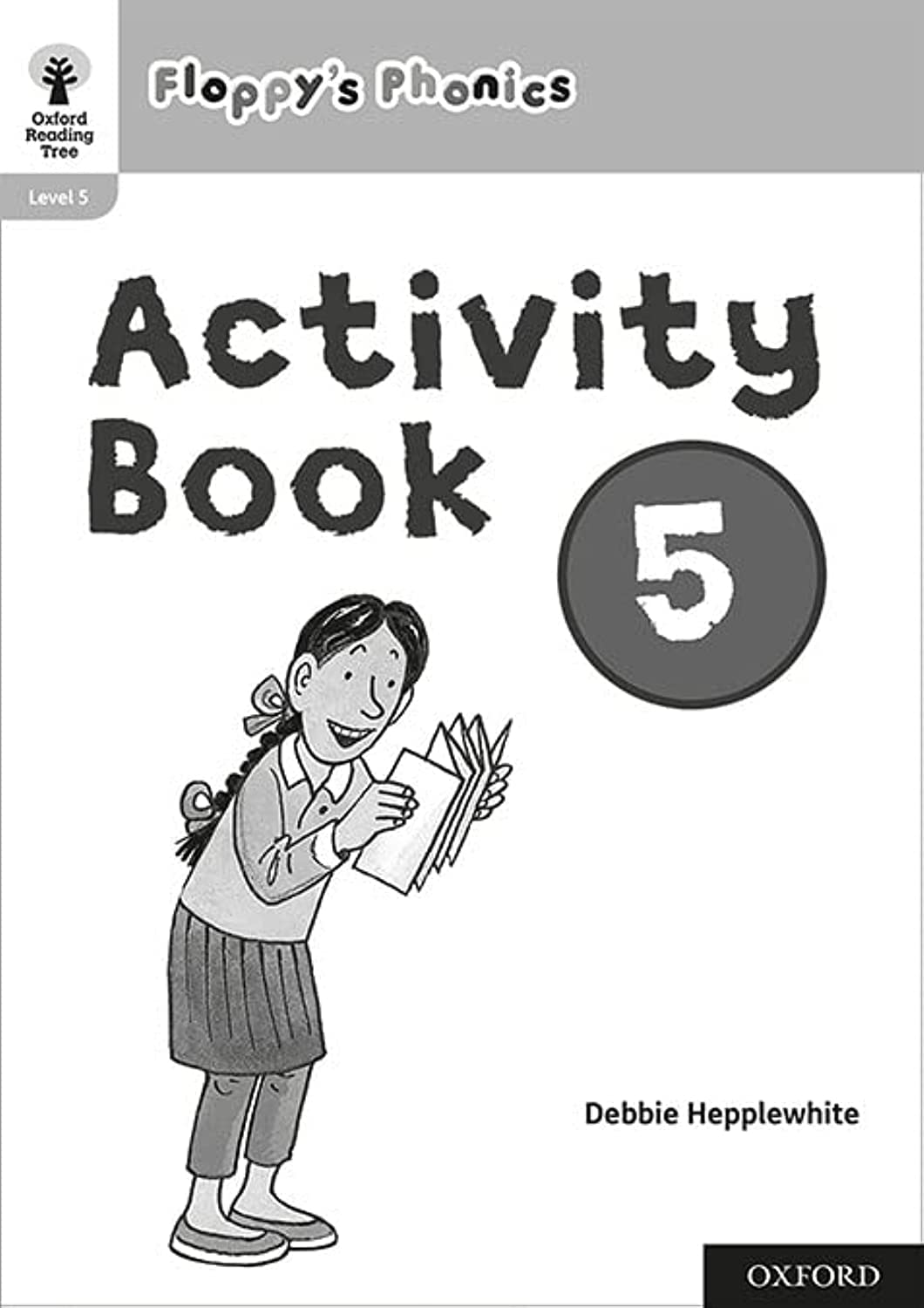
The series’ most advanced: multisyllable words and irregular patterns.
View in shop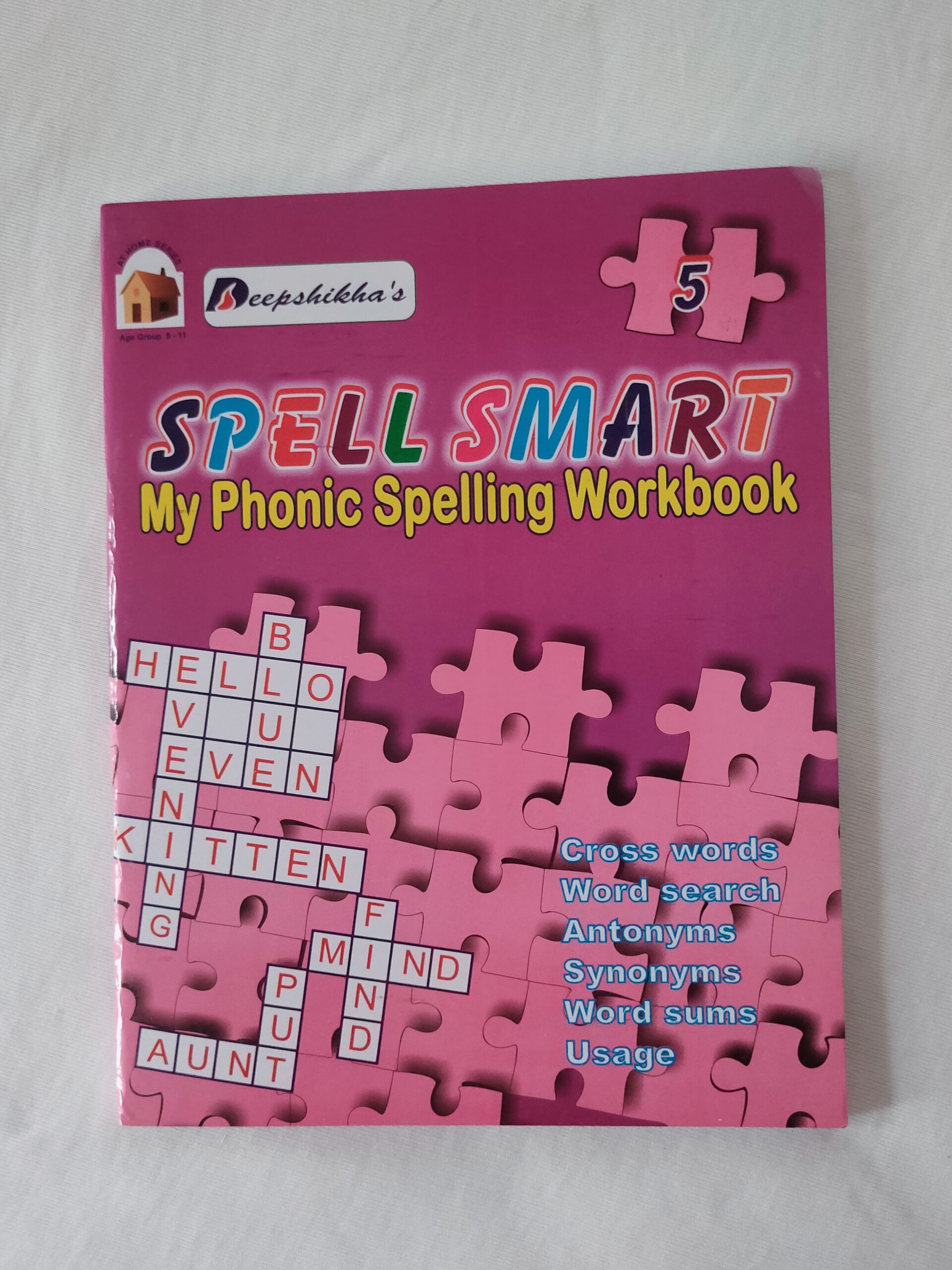
Root-word and syllable thinking, approached from the spelling side.
View in shop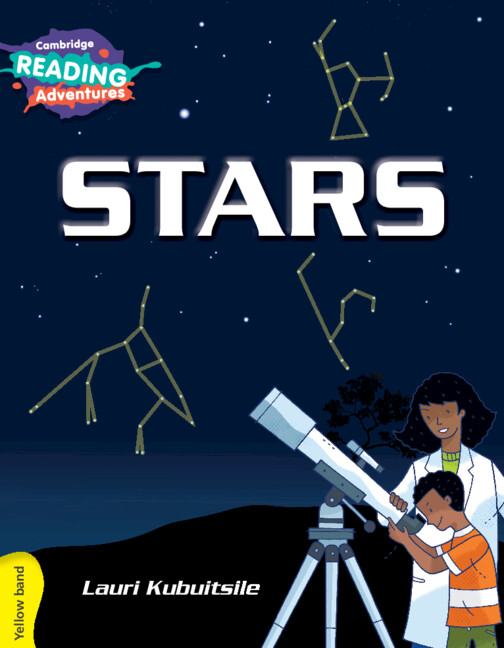
Real short stories for reading rate and expression, not activity pages.
View in shop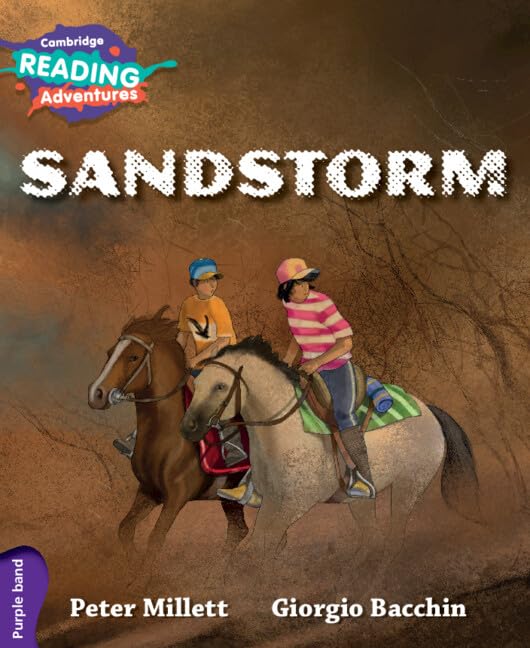
The stretch target: a longer text once Yellow Band feels easy.
View in shop Amazon.in
Real short chapter books, roughly levelled for ages six to nine.
View on Amazon.inIs six to eight the right window for this shift, or should reading already be automatic by now?
The National Reading Panel’s review didn’t stop at decoding — it gave fluency its own chapter, defining it as reading with speed, accuracy, and expression together, not any one alone. The Panel found that guided, repeated oral reading — a child rereading the same short passage aloud with feedback from an adult — had a consistent, positive effect on word recognition, fluency, and comprehension, at every grade and skill level tested.

Underneath the behaviour is a mechanism worth naming. Reading researchers LaBerge and Samuels described it in 1974 as automaticity theory: attention is limited, and every bit spent consciously decoding a word is attention not spent understanding the sentence. A child stuck sounding out most words isn’t failing at comprehension — their attention is fully booked elsewhere. Six to eight is where that balance should be tipping, word by word, from decoding toward understanding. Researchers track this with tools like the widely used Hasbrouck-Tindal oral reading fluency norms, which show reading rate climbing steeply across these grades — useful for specialists, not a number to chase at home.
What belongs in a 6-8-year-old’s phonics books
“Phonics” at this stage stops being about single new sounds and starts being about handling bigger, more irregular words — and reading them like they mean something. These are the five things genuinely worth looking for on the shelf.
Breaking longer words like “fantastic” or “thunderstorm” into syllable chunks, then blending the chunks back into the whole word — see Reading Universe’s research summary on why chunking outperforms guessing at this stage.
Consolidating trickier patterns — “oy/oi,” “ar/or/er,” variable sounds like “oo” in “moon” versus “book” — until they need no sounding out.
“un-,” “re-,” “-ful,” “-less” change a root word’s meaning, turning a long unfamiliar word into a known part plus a known ending.
Moving past word-by-word decoding toward phrased, expressive reading — the real marker of fluency, not accuracy alone.
Reading a whole short chapter, not just a page, without losing the thread — the stamina fluency eventually makes possible.
What readiness looks like day to day
Fluency doesn’t arrive as a milestone you tick off in one sitting — it shows up unevenly, book by book, sometimes sentence by sentence. A child might read one page smoothly, then stumble through the next simply because it has three new multisyllable words in a row. That’s not a setback; it’s how automaticity gets built.
A twenty-minute at-home routine
Older readers sustain longer sessions than a five-year-old, but shape still matters more than length — repetition does more for fluency than new material alone.
A page or short chapter already read once, aloud, at a comfortable pace — this is where fluency actually gets built.
Read a new page together, pausing on any multisyllable word to chunk it rather than guess.
Pick a single word part — “un-,” “-ful,” “re-” — and find it inside two or three words your child already knows.
Reread the day’s opening passage once more, so the session ends noticeably smoother than it started.
Practise the trickier patterns
By six, single sounds and early digraphs are usually solid — see our guide to phonics at five. What’s newer now are vowel patterns that don’t behave consistently, and syllable chunks inside longer words — including the “lazy vowel” that makes multisyllable words genuinely tricky, covered in the schwa sound for kids. These three come up constantly in books at this level.

Breaking a long word into syllable chunks out loud first — “com-pu-ter,” not “computer” in one go. Pointing out a prefix or suffix your child already knows inside a new word, so the known part does the work. Rereading a passage a second time purely for smoothness, not to “test” anything.
Correcting every hesitation on a long word instantly — give a few seconds for chunking first. Moving to harder chapter books before shorter, fluent reading is consistently comfortable. Treating a flat, monotone voice as a problem to fix directly — expression tends to follow once decoding gets easier.
Is my child ready for chapter books? What the “five finger rule” actually is
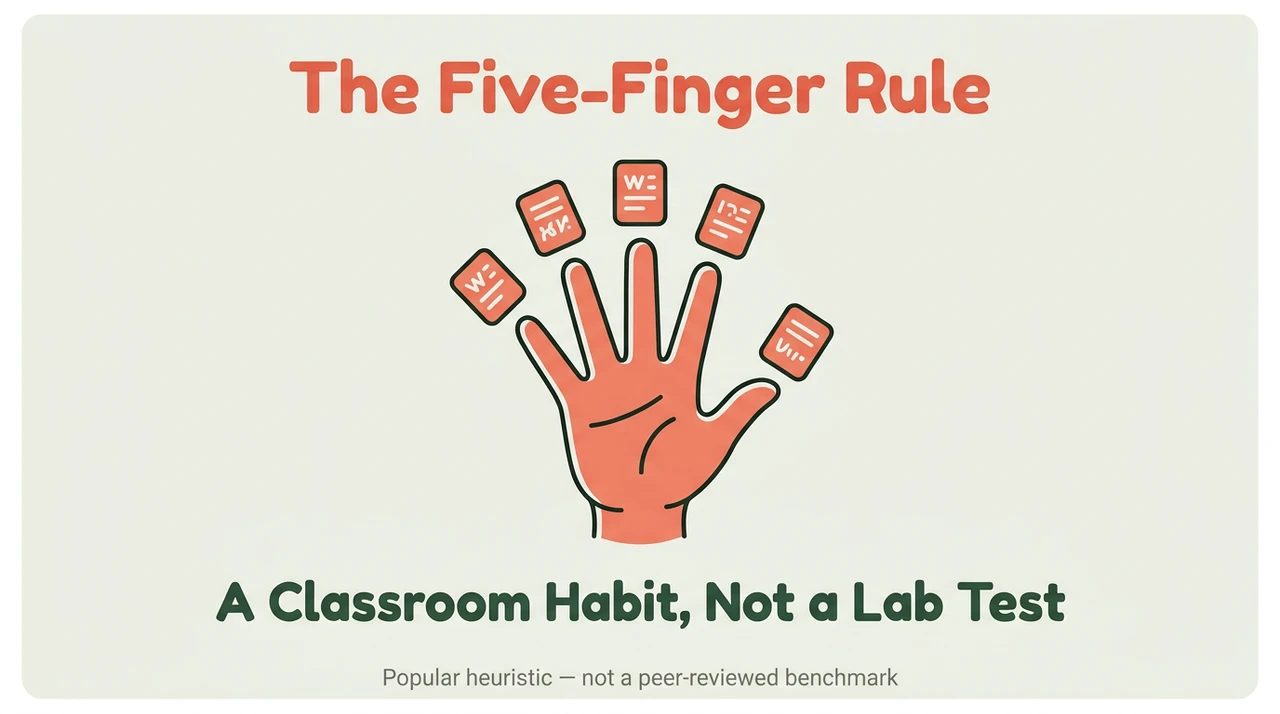
This question dominates this age band, and it deserves an honest answer rather than a tidy one. The most common tool parents meet is the “five finger rule”: put up a finger for every word your child doesn’t know on a page, and five fingers means the book’s probably too hard for now.
It’s worth being direct about what this actually is. The five-finger rule is a classroom heuristic passed down through teaching practice, not a peer-reviewed research instrument — there’s no published study behind the number five, and it says nothing about whether your child understood what they read, only whether the vocabulary was unfamiliar. As a rough starting point, it’s genuinely useful. As a strict pass/fail test, it isn’t — a motivated child will happily push through a “too-hard” book about a topic they love.
I had a boy in class once — I’ll call him Dev — whose mother worried a favourite dinosaur encyclopaedia was “too hard” by the five-finger count. It was, technically. He read it anyway, cover to cover, over two weeks, sounding out “Cretaceous” more times than either of us could count. A motivated eight-year-old will out-work a finger count every time; the rule is a starting point for a stranger’s book, not a ceiling on a child’s own.
| Still mostly decoding | Reading fluently |
|---|---|
| Sounds out most words, even ones seen before | Recognises common words instantly, saves effort for new ones |
| Reads word by word in a flat voice | Reads in phrases, voice rising and falling naturally |
| Can repeat the words but not what happened | Can retell the story afterward, in their own words |
| Needs long, quiet stretches to finish a page | Reads a whole short chapter without losing the thread |
A better readiness check than any finger count: can your child read a page at roughly 90% accuracy — about one tricky word per sentence — and still tell you what happened afterward? If yes, chapter books are ready, even if reading them is still slower and more effortful than picture books were. Multisyllable decoding and the first layer of prefixes and suffixes, covered below, are usually what makes that jump possible.
Milestones from the curriculum
Break multisyllable words like “rabbit,” “thunder,” and “fantastic” into chunks, then blend them back into the whole word
Read aloud with accuracy, a natural pace, and real expression — not word-by-word
Use common prefixes and suffixes (un-, re-, -ful, -less, -ation) to work out an unfamiliar word from its root
Dev, the dinosaur-encyclopaedia reader from earlier, hit all three of these well before his mother expected — not because the book got easier, but because “Cretaceous” stopped needing to be sounded out one chunk at a time.
Once multisyllable decoding and basic morphology are solid, speed and expression are usually the last pieces to catch up — and they tend to arrive from rereading and volume, not any single new rule.
A 'Confident'-stage workbook of crosswords, word searches, and word sums — the same root-word and syllable thinking this stage needs, not more single-sound drilling. Fifth in a five-level series, so it assumes solid single-sound and digraph phonics already.
View in shopPick a longer word from a book or the house — 'elephant,' 'computer,' 'wonderful.' Clap each syllable, write the word in chunks, then read it back part by part. Free, five minutes, works with any word.
Tonight’s check
Read one page of a familiar book aloud, then retell what happened in their own words.
Write a longer word — “elephant” or “wonderful” — and clap out the syllables before reading it.
Point to a word with “un-” or “re-” and ask what that word part means.
Ask Mrs. Monika: quick answers
- National Institute of Child Health and Human Development (NICHD). Report of the National Reading Panel: Findings and Determinations (retrieved August 2026)
- LaBerge, D., & Samuels, S. J. (1974). Toward a Theory of Automatic Information Processing in Reading. Cognitive Psychology (retrieved August 2026)
- Hasbrouck, J., & Tindal, G. (2017). An Update to Compiled ORF Norms (retrieved August 2026)
- Reading Universe (Lexia Learning). What the Research Says About Teaching Multisyllabic Words (retrieved August 2026)
- Scholastic Parents. The Five-Finger Rule for Reading (retrieved August 2026)
Every child develops at their own pace — see our learning-outcomes note. Names of children in this article have been changed. Want your child’s fluency stage checked properly, not guessed at? The free 20-minute demo class includes exactly this kind of check.

The ‘I Spy’ Sound Game: Teaching First Sounds at Home (Without Teaching It Wrong)
10 min read
The Importance of Nursery Rhymes: How Rhyme and Rhythm Feed Reading
10 min read
Listening Games for Kids: Building the Skills That Come Before Reading
10 min read
What Are Decodable Books? Why Beginners Need Books Without Tricky Words
9 min readGet one useful tip a week
Written by Monika. No spam, no daily emails — just what's worth your five minutes.